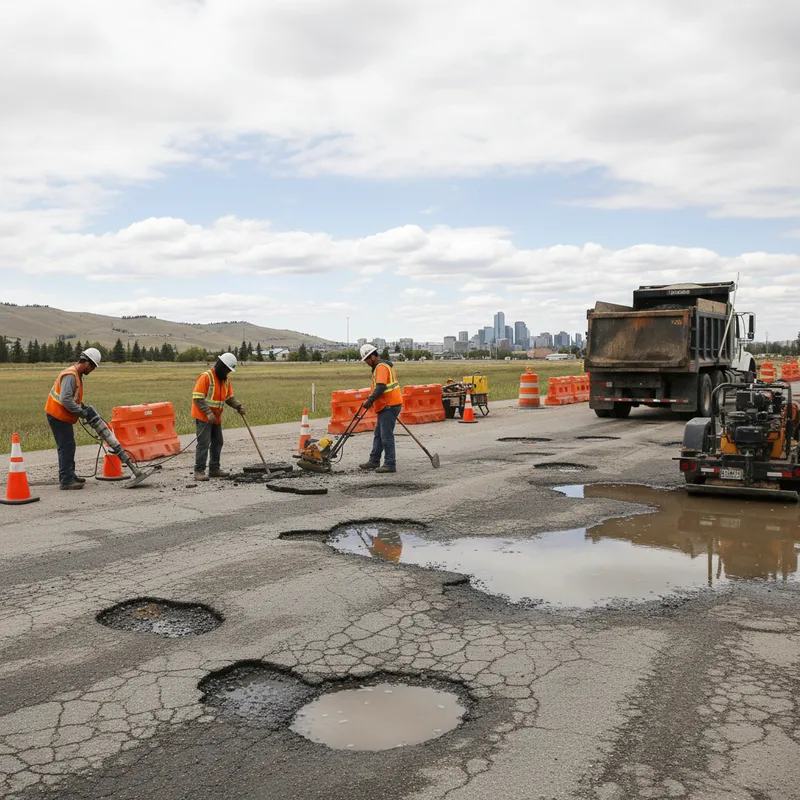
It's a sure sign of spring in Calgary: the snow recedes and a bumper crop of potholes emerges. City road crews are in the midst of their seasonal battle against the craters dotting Calgary's streets, but this year's 'pothole blitz' is playing catch-up after a winter of fluctuating weather patterns delayed the full-scale operation.
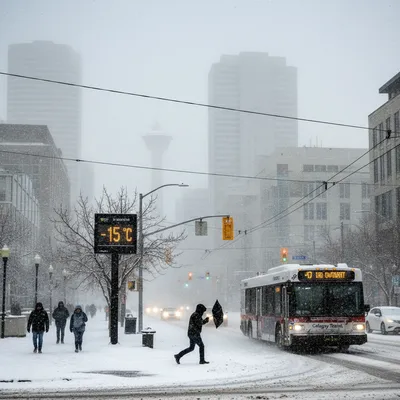
While repair crews have been active since January, tackling the worst of the damage, the concentrated city-wide effort was hampered by late-season snow and freezing temperatures. The volatile weather, a hallmark of Calgary's transition from winter to spring, has created ideal conditions for the formation of potholes, leaving drivers navigating a challenging and potentially damaging obstacle course.
The annual proliferation of potholes is a direct result of the freeze-thaw cycle. When temperatures hover around the freezing mark, moisture from melting snow and rain seeps into small cracks in the pavement. As temperatures drop overnight, this trapped water freezes and expands, exerting immense pressure on the surrounding asphalt. This process widens existing cracks and weakens the road structure.
The freeze-thaw factor
When the ice melts as temperatures rise during the day, it leaves behind a larger cavity beneath the road's surface. The weight of passing vehicles then causes this weakened area to collapse, creating the familiar, jarring pothole. This year's weather, which saw periods of mild, spring-like conditions abruptly followed by significant snowfall, has created numerous such cycles, accelerating road degradation across the city.
A March snowstorm that resulted in over 160 crashes is just one example of the unpredictable conditions that have complicated road maintenance efforts. It is both inefficient and ineffective for crews to apply asphalt patches in wet or freezing conditions, as the material will not properly adhere to the road surface, leading to a short-lived repair.
Beyond the inconvenience, potholes can cause significant damage to vehicles. Impacts can lead to punctured or bulging tires, bent rims, misaligned steering, and damaged suspension components. The cost of these repairs can quickly add up for unsuspecting drivers.
Crews working to catch up
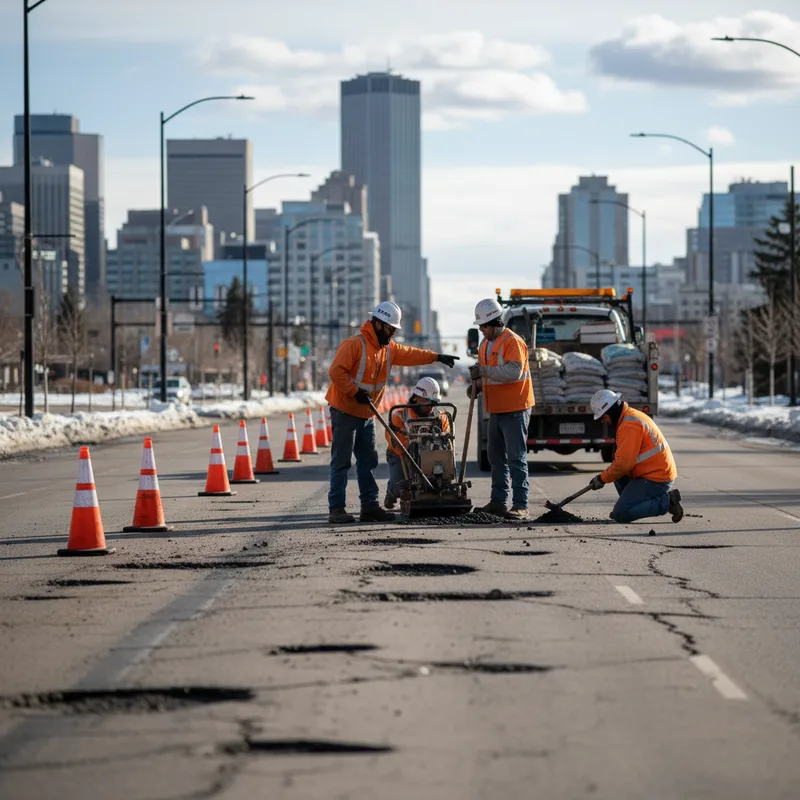
With the weather now more consistently favourable, the City of Calgary's roads department has ramped up its efforts. Crews are being dispatched across the city to address the backlog of reported potholes and proactively patch damaged roadways. The city uses a hot asphalt mix for repairs, which provides a more durable and long-lasting solution compared to temporary cold patches sometimes used in winter.
The city relies on a combination of scheduled patrols and public reports to identify and prioritize repairs. Officials encourage Calgarians to act as the city's eyes on the road, reporting potholes through the 311 Calgary mobile app or the city's online portal. According to the City of Calgary's website, providing an exact address and description of the pothole helps crews locate and fix it more efficiently.
This season's challenge highlights the ongoing strain on municipal infrastructure in a climate known for its extremes. Calgary's position as a northern city means its roads are constantly subjected to harsh conditions, from heavy snow and de-icing salts in the winter to intense sun in the summer. Maintaining over 16,000 lane-kilometres of roadway is a year-round, billion-dollar undertaking for the city's transportation department.
A persistent problem
While some public debate in recent years has focused on major new infrastructure projects, such as the new community centre in Brampton funded by a $64 million commitment from the federal government, the annual, unglamorous work of maintaining existing assets like roads remains a core municipal responsibility. Similar challenges with infrastructure maintenance, such as those seen with hundreds of flights grounded in Australian travel chaos, highlight the importance of allocating sufficient resources to these essential services.
The yearly budget for road maintenance must account not only for reactive repairs like filling potholes but also for long-term preventative measures. These include crack sealing in the summer and major resurfacing or rehabilitation projects that can extend the life of a roadway and reduce the likelihood of future potholes.
As the spring progresses, crews will continue their work across the city's main roads and residential streets. Drivers are advised to remain vigilant, reduce speed when encountering damaged pavement, and allow extra space between vehicles to spot and avoid potholes safely. The city aims to repair reported potholes on major routes within a few days, though residential areas may take longer.