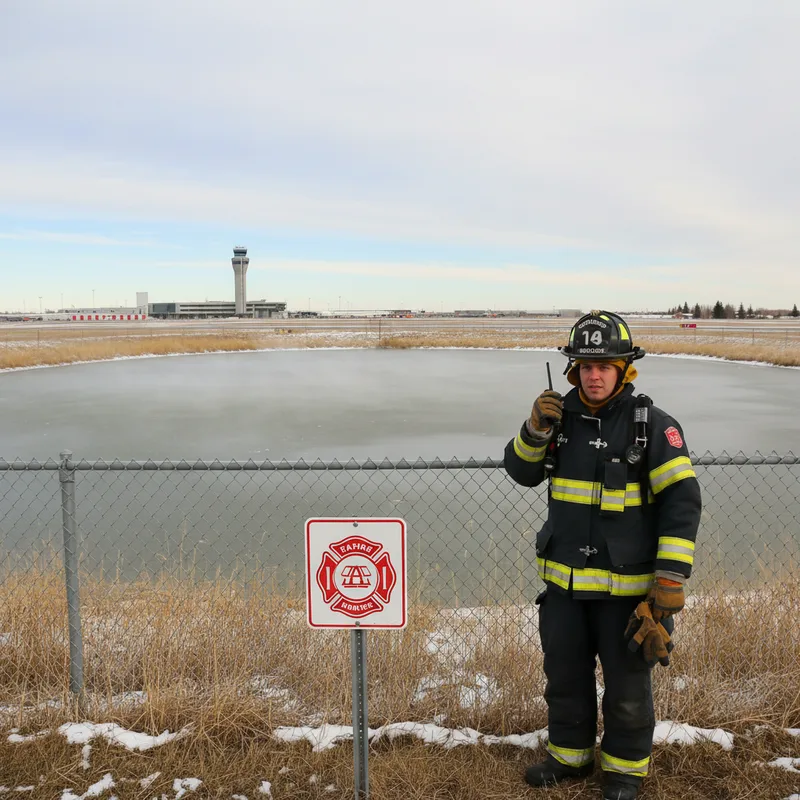
A pungent, sulphur-like odour lingering over northeast Calgary is prompting a surge in 911 calls, and the Calgary Fire Department (CFD) is now asking residents to think twice before dialling emergency services. The smell, which has been mistaken for a natural gas or propane leak, has been traced to stormwater runoff ponds at the Calgary International Airport.
Fire officials clarified that while the smell is unpleasant, it is not considered dangerous. The ponds are designed to collect runoff containing aircraft de-icing compounds. As these compounds break down, they release the stink into the air, causing concern among nearby communities. The fire department reported a significant spike in calls related to the odour last month and the high volume has continued, with 15 calls on Monday alone.
This persistent influx of non-emergency calls is placing a strain on the city’s emergency response capabilities. The CFD is now launching a public awareness effort to educate residents on the nature of the smell and to help them distinguish between a nuisance odour and a genuine emergency.
Fire department resources stretched thin
The diversion of fire crews to investigate the benign airport odour has raised concerns about response times for actual emergencies. When multiple units are dispatched to investigate smells that pose no threat, it reduces their availability for fires, medical emergencies, or hazardous material incidents that require immediate attention.
This can drain fire service resources in those areas, causing concerns about our ability to provide consistent response times for other calls,
Chief Dongworth’s statement highlights a critical challenge for emergency services in a growing city. The CFD, one of Canada's largest and most respected fire departments, is responsible for a wide range of services beyond firefighting, including medical co-response, technical rescue, and hazardous materials management. Maintaining consistent response times across the sprawling city is a logistical priority, and false alarms, even when made with good intentions, can compromise the entire system. Every call reporting a potential gas leak must be treated seriously until proven otherwise. This often involves dispatching a full crew and apparatus to the scene to assess the situation. The repeated calls for the same non-threatening odour in the northeast mean crews are spending valuable time and resources investigating a known issue, which could delay their arrival at a critical incident elsewhere. This echoes concerns raised in other industrial areas, such as when Alcoa rejected mercury concerns.
The source of the stink
The root cause of the smell is a combination of chemistry and seasonal change. Airports in cold climates rely heavily on de-icing fluids, primarily composed of ethylene or propylene glycol, to ensure aircraft can operate safely during winter. These chemicals are sprayed on planes and runway surfaces, and the runoff is collected in specially designed stormwater management ponds to prevent it from entering natural waterways.
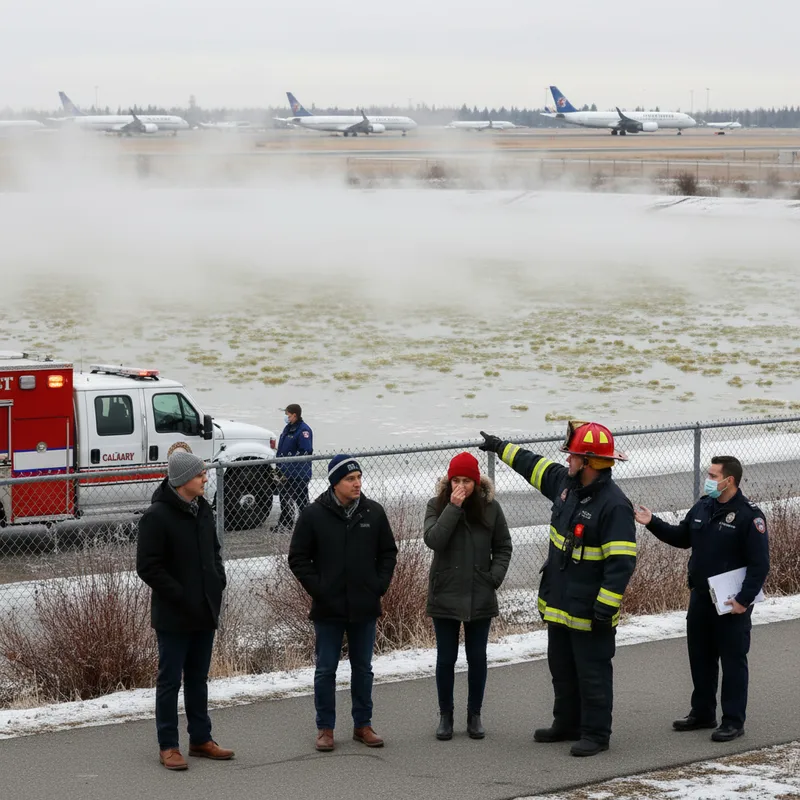
As the weather warms in the spring, the accumulated de-icing fluid begins to biodegrade. In the low-oxygen environment of a retention pond, this decomposition process produces hydrogen sulphide gas, which is famous for its distinct "rotten egg" or sulphur smell. While pungent even at very low concentrations, the levels being released into the open air from the airport ponds are not considered a health hazard.
This phenomenon is not unique to Calgary; it is a known operational challenge for airports across the northern hemisphere. The environmental management of de-icing fluid is a complex issue, balancing the necessity of aviation safety with the protection of local ecosystems. The retention ponds represent an engineered solution to prevent more significant environmental damage from the glycol-based chemicals.
Health, environment and city life
The annual emergence of the de-icing odour is a stark reminder of the intersection of industrial operations and residential life in an urban environment. As Calgary continues to grow, particularly in communities surrounding the airport, more residents are likely to encounter these types of sensory impacts. The situation is an example of how different areas of the city can experience vastly different environmental conditions, a phenomenon also seen in how Calgary neighbourhoods show significant temperature gaps.
While the fire department has assured the public that the smell itself is not dangerous, the chemicals involved require careful handling. Ethylene and propylene glycol can be toxic to aquatic life, which is precisely why the airport authority invests in containment systems like the runoff ponds. The odour, therefore, is an unwanted byproduct of a system that is functioning as intended to protect the wider environment from contamination.
Managing these issues often involves communication and public education. In other Canadian municipalities, similar challenges have been met with proactive public engagement. For instance, officials in Brampton have used telephone town halls to address public safety and health care concerns directly with residents, fostering a sense of shared understanding and cooperation.
What residents should do
The Calgary Fire Department has provided clear guidance for residents. If you detect a smell resembling natural gas or propane inside your home or commercial business, you should evacuate immediately and call 911 from a safe distance. These situations always represent a potential emergency.
However, if you are outdoors in northeast Calgary and detect a sulphur-like smell, the CFD encourages you to consider the possibility that it is the known odour from the airport ponds before calling 911. This moment of consideration could help keep emergency lines and resources free for life-threatening incidents.
Officials emphasize that they still want Calgarians to report legitimate safety concerns and that the guidance is not meant to discourage people from seeking help in a genuine emergency. The goal is to reduce the volume of calls for a known, non-hazardous issue. For non-emergency city-related questions, residents can always contact 311.