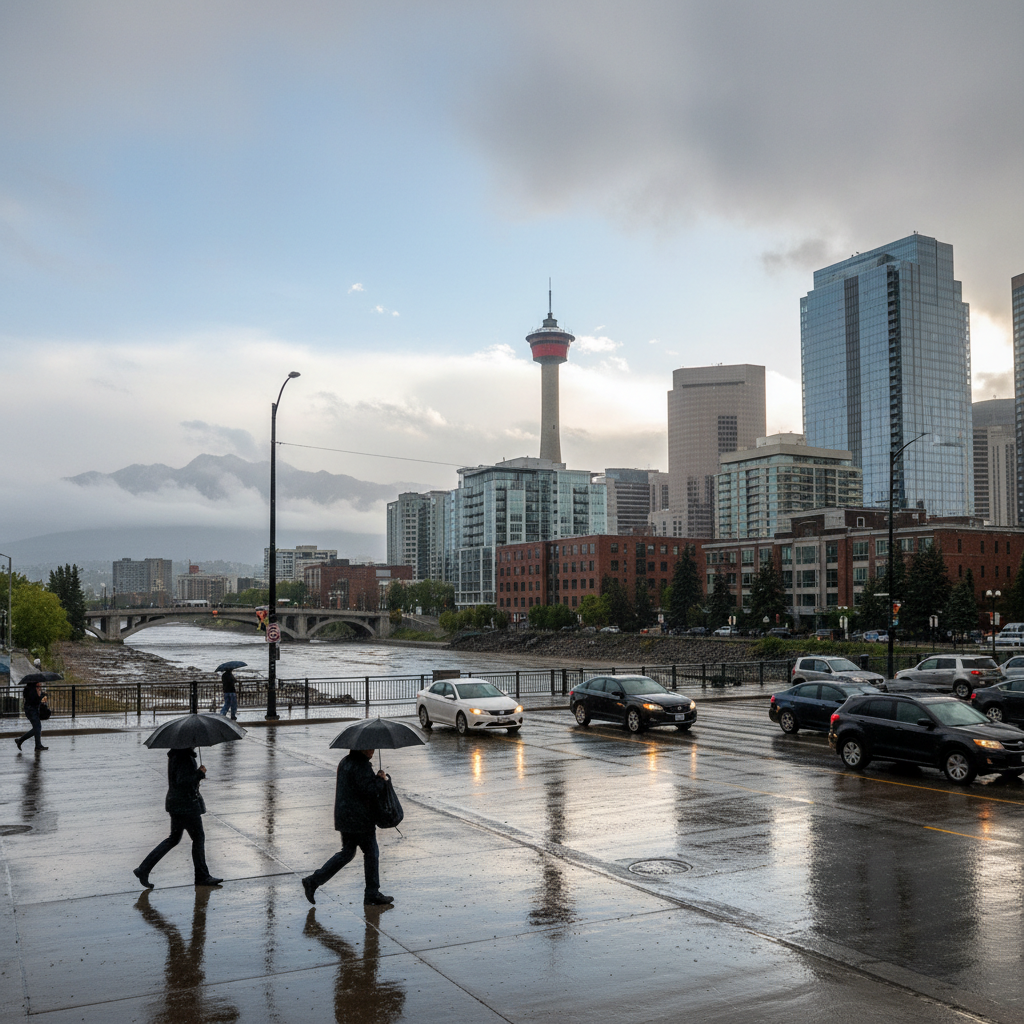
Calgary is set for another damp day as rain continues to fall across the city, but federal weather authorities say the heaviest precipitation has already passed. Environment and Climate Change Canada (ECCC) issued an update on Tuesday, June 2, forecasting more rain throughout the day but reassuring residents that the worst of the weather system is over.
The lingering showers are expected to impact the morning commute and outdoor activities, but the forecast suggests a gradual clearing. This comes after a period of significant rainfall that has left the city waterlogged, consistent with Calgary's reputation for notoriously wet weather in late spring and early summer.
The advisory from the national weather agency provides a measure of relief for a city that remains vigilant about the risks of flooding and water accumulation. While the immediate threat of a major weather event appears to have subsided, the ground remains saturated, which could lead to localized ponding and minor drainage issues on roads and in low-lying areas.
A closer look at the forecast
According to ECCC, the weather system that brought the intense downpour has begun to move on from the region. While Tuesday will not be completely dry, the intensity and volume of the rain are projected to decrease significantly as the day progresses. Forecasters anticipate a transition towards more stable and clear conditions for the remainder of the week.
The agency is Canada's official source for weather information and warnings, utilizing a vast network of radar stations, weather balloons, and on-the-ground monitoring to produce its forecasts. Its role becomes especially critical during severe weather events, providing guidance to municipalities and the public to ensure safety.
Impact on city life and events
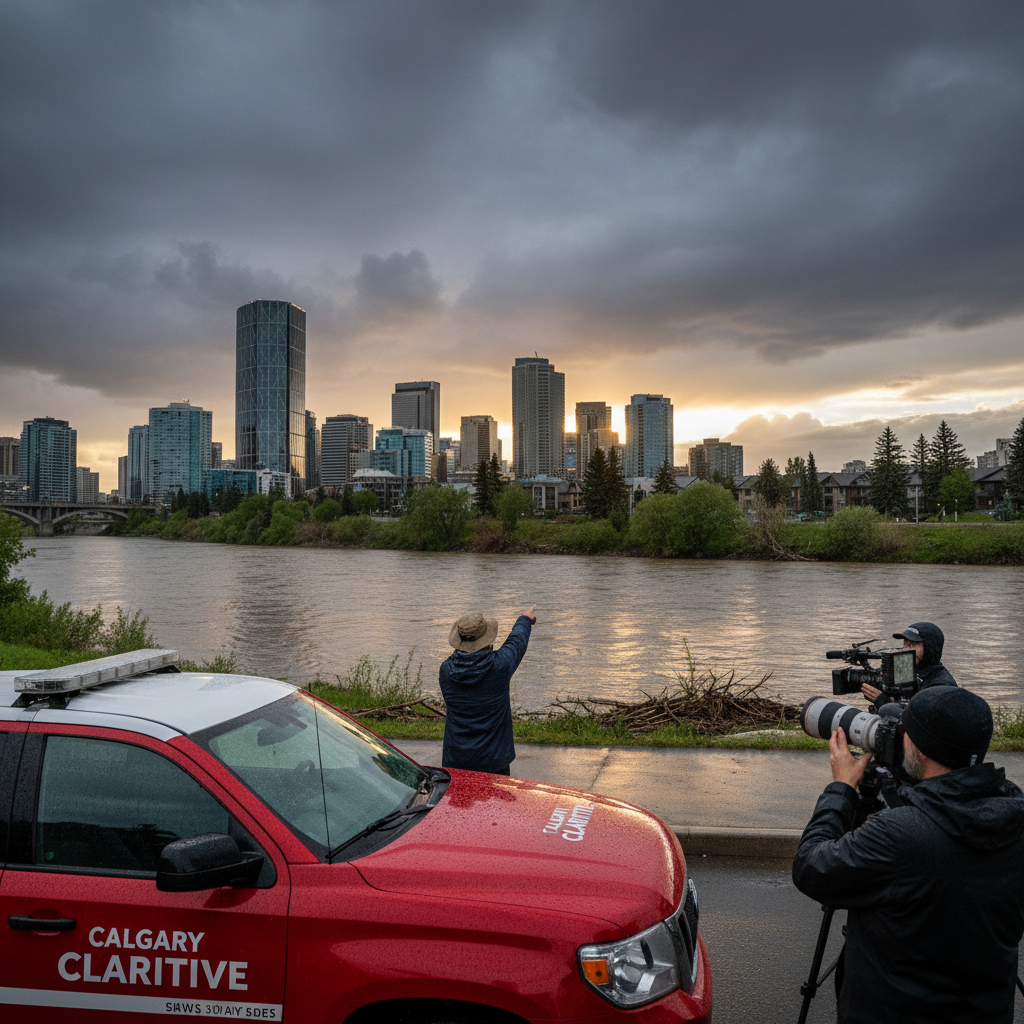
The persistent rain has put a damper on many outdoor plans and serves as a reminder of how weather can disrupt urban life. With numerous festivals and events ramping up for the summer season, organizers are keeping a close watch on the skies. In a similar vein, concerns about environmental impact have been raised, as "2026 World Cup to be most polluting in history, researchers say". A wet start to June can affect everything from park maintenance and sports league schedules to the city's extensive network of pathways.
For many Calgarians, the forecast of clearing skies is welcome news, particularly for families looking for things to do with kids as the school year winds down. The eventual return of sunshine will allow for the resumption of activities in the city's parks and outdoor spaces. The timing is also crucial for preparations for major upcoming events like the Canada Day celebrations, which draw large crowds to the downtown core.
The City of Calgary's infrastructure, including its storm drains and river management systems, is designed to handle significant rainfall. However, intense bursts of precipitation can still test the system's capacity. Motorists were cautioned to be aware of potential water pooling on major roadways during the heaviest periods of rain.
Historical context and city preparedness
Calgary has a long and often challenging history with extreme weather, most notably the devastating flood of 2013 that reshaped parts of the city and prompted massive investments in flood mitigation. That event, which saw the Bow and Elbow rivers overflow their banks, serves as a permanent reminder of nature's power and the importance of preparedness. While the current weather situation is not comparable in scale, any period of sustained, heavy rain is treated with caution by city officials and residents alike.
In the years since 2013, the city has implemented numerous projects to better protect communities from high water levels, including the construction of new berms and improvements to upstream reservoir management. These proactive measures have increased Calgary's resilience, though no city can ever be completely immune to the effects of a powerful storm system. The situation in other parts of the world, such as the economic recovery spurred by new infrastructure in Christchurch after its own natural disasters, highlights the long-term importance of such investments.
As the weather begins to clear, attention will turn to assessing any minor damage and resuming normal summer activities. The clearing trend expected for later in the week points towards a more favourable and seasonal forecast, which will be a welcome change for all Calgarians.