

Canada’s major cities are intensifying their efforts to attract global and domestic events, with Calgary and Toronto launching innovative new strategies to stand out in a competitive international market. These initiatives, ranging from tourism programs to novel event spaces, signal a country-wide shift towards more sophisticated and experience-driven approaches to event hosting.
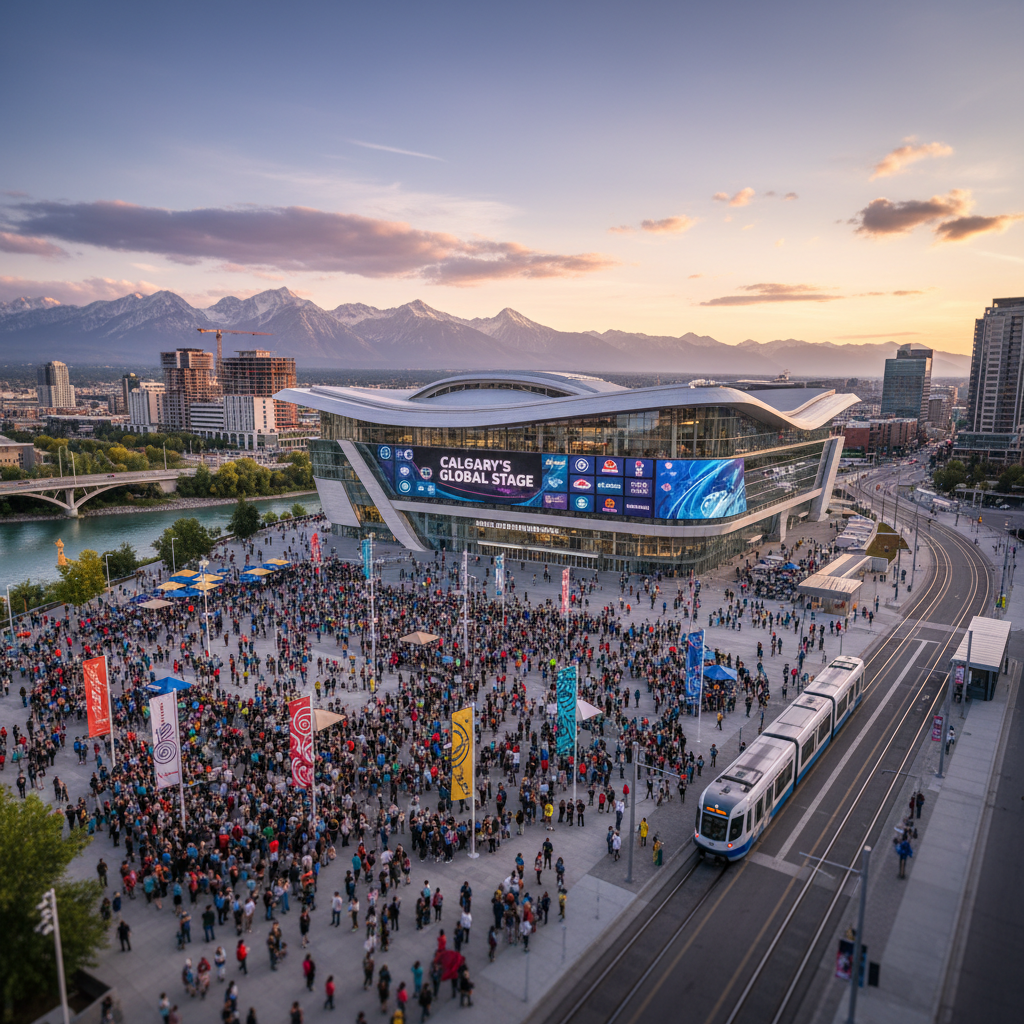
In Calgary, tourism and economic development groups have launched a new stopover program aimed at maximising the value of visitors already heading to the city. The program encourages travellers attending conferences, trade shows, and sporting events to extend their stays, turning transit traffic into tangible tourism dollars. By packaging accommodation, local attractions, and event tie-ins, the city hopes to deepen its economic impact per visitor.
This strategy leverages Calgary’s already bustling event scene, which includes world-famous gatherings like the Stampede and a growing roster of festivals and corporate functions. Rather than solely focusing on attracting new events, the city is strategically working to get more out of the ones it already hosts. The initiative is designed to benefit the entire local hospitality ecosystem, from hotels and restaurants to tour operators and retailers, by increasing the length of visitor stays.
Toronto unveils floating pitch
Meanwhile, Toronto is capturing attention with a more unconventional approach, launching a floating soccer pitch on the city's waterfront. This unique venue is being marketed as a versatile space for community events, corporate brand activations, and media-friendly showcases. Positioned as an eye-catching backdrop, the floating pitch is designed for a modern, content-driven world.
The concept reflects a rising interest in non-traditional venues that can generate social media buzz and offer memorable experiences. For event planners and brands, spaces like this provide a fresh alternative to standard arenas and convention centres, especially for sports-related or youth-focused programming. It can be used for everything from local tournaments and pop-up events to high-end sponsor engagements and video productions. This move highlights a different, but complementary, strategy to Calgary's. While Calgary focuses on enhancing the value of its existing event infrastructure through tourism policy, Toronto is adding a unique piece of physical infrastructure designed to create new types of event opportunities altogether, as seen with the recent launch of its sports tech hub.
Experts move in
Behind the scenes, the industry is also professionalising. Global sports and entertainment service provider Legends Global recently announced a key new hire for its Canadian operations. The role is dedicated to supporting venue and event clients with high-level strategy, commercial planning, and fan experience initiatives.
This development indicates a growing demand from Canadian venue owners and event rights holders for more comprehensive, integrated support. Organisations are looking beyond simple facility management to partners who can provide expertise in ticketing, premium hospitality, data analytics, and fan engagement. This "back-of-house" trend is crucial for maximising revenue and ensuring a world-class experience that can compete on a global stage, particularly as cities invest heavily in new and upgraded facilities. It points to a maturing market where the fan journey, from ticket purchase to the final whistle, is meticulously planned and commercialised.
A new competitive landscape
Together, these developments show how Canadian cities are evolving their strategies to compete. The focus is shifting away from relying solely on conventional convention centre offerings and towards creating a more holistic and curated visitor experience. The goal is to build a destination’s reputation not just on the quality of its venues, but also on the vibrancy of the city itself and the ease of navigating its attractions.
This national push also involves a delicate balance between attracting international audiences and serving local communities. Many of these initiatives include public programming, opportunities for local sport participation, and free or low-cost community events, ensuring that residents also benefit from the investment in event infrastructure. As architects and planners, like those at HOK, continue to shape our urban spaces, this integration of public and private benefit is becoming a key measure of success.
For brands, planners, and production companies, this wave of activity across Canada opens up a wealth of new options. Destination-led programs like Calgary's may create new budget or incentive opportunities, making it a more attractive hub for delegates and talent. At the same time, unique venues and a focus on integrated professional services are simplifying complex projects and providing new platforms for creative campaigns.
As the global competition for high-profile tournaments, conferences, and brand experiences intensifies, these strategic moves in Calgary and Toronto will likely set the standard for how events are planned, staged, and experienced across Canada in the years to come.