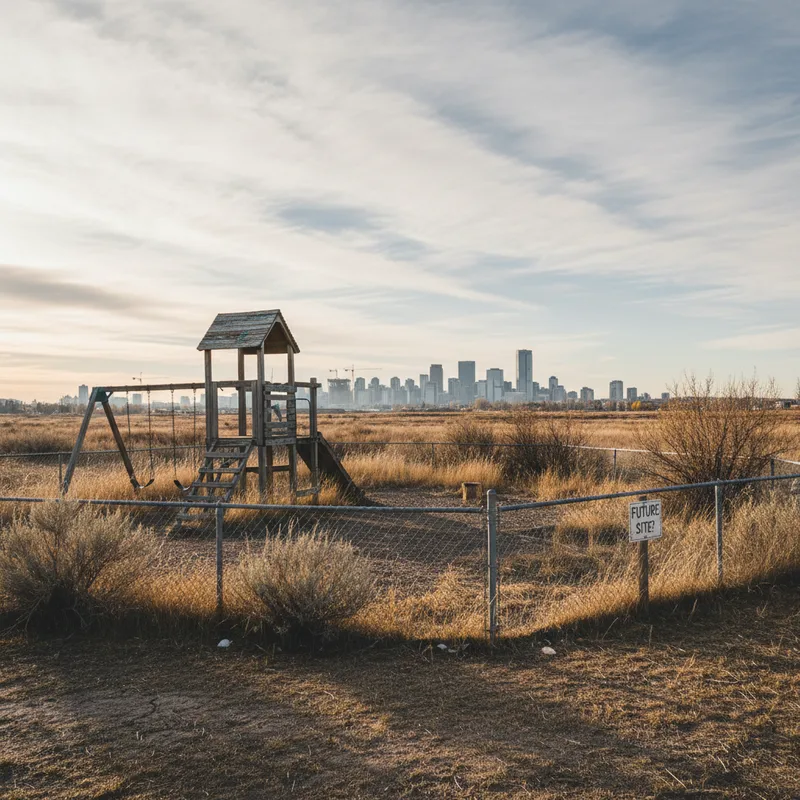
Hundreds of community playgrounds across Calgary could be permanently closed over the next decade, with a new city report warning that a massive funding gap threatens the future of more than 80 per cent of the city’s play spaces. The report, presented to the infrastructure and planning committee on Wednesday, paints a stark picture of an aging system at a breaking point.
According to the findings, approximately 960 of Calgary's 1,172 playgrounds will require significant attention by 2036. Without a substantial increase in investment, the city anticipates a "high failure rate," which could lead to widespread closures. The issue stems from an infrastructure deficit created by aging equipment and a budget that has failed to keep pace with the city's growth.
"Aging playgrounds, worsening asset conditions and the ongoing addition of new playgrounds each year have collectively created a significant infrastructure deficit and increased risk of severe consequence of failure for these assets," the report stated.
A growing problem of aging assets
The report details how 54 per cent of Calgary's playgrounds are already more than 20 years old and are rated as being in only "fair" condition, the third-worst rating on a five-point scale. Issues like chipped paint, rust, exposed screws, and general wear are becoming increasingly common sights for families. Despite this, Calgary remains a world leader in playgrounds per capita, with roughly five for every 1,000 children.
The city's network of playgrounds has expanded by about 25 per cent in the last 10 years, a reflection of Calgary's rapid development. However, the annual budget for playground renewal has remained stagnant at approximately $1.2 million. This amount is only sufficient to refurbish 10 to 12 playgrounds per year, a fraction of what is needed to maintain the current inventory. This mismatch between growth and funding has created the current crisis.
The challenges of maintaining outdoor spaces are often compounded by Calgary's unpredictable weather, with everything from summer heatwaves to sudden winter storms. As recently as this week, Calgary is facing a heavy snow warning, a reminder of the need for durable, all-season community amenities.
'Existential threat' prompts $200 million request
In response to the report's dire projections, city administration is asking the committee to recommend councillors approve a major funding increase. The proposal calls for the annual playground budget to be boosted to roughly $19 million, amounting to a total investment of nearly $200 million over the next decade.
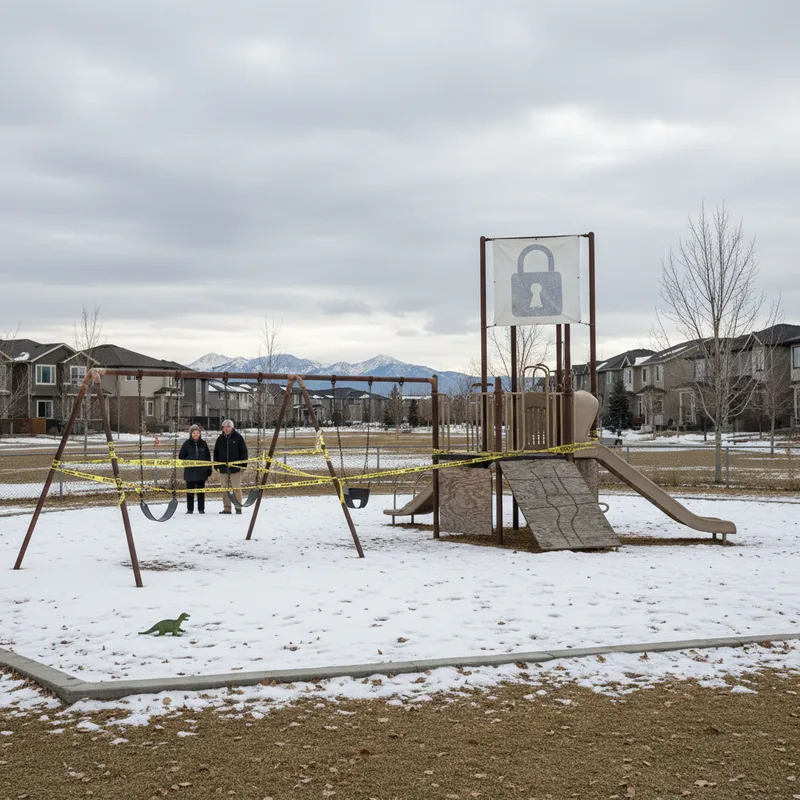
We need to be also a bit smarter in terms of the kinds of playgrounds that we build. We need to make sure that they're more multipurpose, that they're usable year-round, that they're accessible.
Mayor Jeromy Farkas described the situation as an "existential threat" to the city’s playgrounds and expressed his support for the funding request. He stressed, however, that the investment should be used to build better, more resilient play spaces for the future.
A legacy of green spaces meets modern challenges
The potential loss of these community hubs stands in stark contrast to Calgary's long history of prizing its public parks. For over a century, since the appointment of its first Parks Superintendent when the city's population was just 40,000, Calgary has cultivated a reputation for its extensive green spaces. This long-standing commitment is now facing the modern pressures of a major city managing rapid growth and a multitude of infrastructure demands, from catching up on pothole repairs to building new communities to house a growing population.
The playground funding crisis is emblematic of a broader challenge, said Ward 8 Coun. Nathaniel Schmidt on Tuesday. He noted that aging infrastructure across the board is something council is grappling with. "The city has changed very quickly, and we're now playing catch up with how that change has affected our service levels and the amount of funding we're giving to those things," Schmidt said.
While some communities are seeing new developments that will add to the city's infrastructure, such as a new rental tower in the East Village, many established neighbourhoods are facing the decline of existing amenities. For many families, local playgrounds are essential spaces for recreation, social connection, and child development, similar to how cafes can define a neighbourhood's character in other cities like Tacoma's coffee scene.
Debating the future of community spaces
The decision is not as simple as just approving the money, some on council argue. Ward 4 Coun. DJ Kelly suggested that a blanket commitment to keeping every single playground may not be the most strategic approach. He pointed out that the demographics of many neighbourhoods have shifted over time, with fewer young children in some areas.
"There's a lot of neighbourhoods where the demographics of the neighbourhood have changed quite a bit and there's not as many young children," Kelly said Wednesday. He argued that in cases where a playground is underutilized, it might be more beneficial to replace it with a different type of outdoor space, like a community garden or seating area, that would better serve the current residents.
This debate places the future of hundreds of playgrounds in the balance as council weighs the cost of renewal against the evolving needs of the city's diverse communities. The full city report outlines the specific conditions and financial scenarios under consideration.
The infrastructure committee received the report Wednesday, and their recommendation will be forwarded to city council for a final vote. In the meantime, administration said the massive investment would do more than just repair what's broken. "This investment will enable the renewal and reimagining of playground and park amenities based on community input," administration stated in its submission.